

Projects / Former Australian Road Research Board Headquarters
The campus and
the country
it served.
A site history supporting Keyton’s VerSo Place retirement community on the former Australian Road Research Board site.
- Client
- Keyton Retirement Living
- Location
- 500 Burwood Highway,
Vermont South, Melbourne
Keyton commissioned a site history for the former Australian Road Research Board (ARRB) headquarters to give VerSo Place’s marketing, design and resident engagement a shared, evidenced story. The research traced the land from Wurundjeri Country and the orchards of nineteenth-century Vermont; the decades of advocacy, from William Calder in 1924 to Caleb Grafton Roberts in 1948, that produced a national road research body in 1960; the mid-1960s purchase of a 6.5-hectare apple orchard on Burwood Highway; the restrained modernist campus designed by Mockridge, Stahle & Mitchell; landscape architect Beryl Mann’s retained eucalypts and regraded slope; and fifty years of research that reshaped Australian roads and suburban streets, until ARRB left Vermont South in 2017. The deliverable, a site history, short-form versions for campaigns and captions, a set of interpretive themes and a curated set of archival photographs cleared for Keyton’s use, gave the project a documented story ready to use. Its images and a quote from the history featured at Keyton’s first VerSo Place event, Behind the Vision, in November 2025, and the photographs now appear on Keyton’s VerSo Place website and in its marketing.
Strategic role
From site history to a sense of belonging
A retirement community can easily be marketed in language that would suit any address: gardens, community, wellbeing. VerSo Place needed a story that belonged to this land, and could be shown to be true, before its marketing began.
The research surfaced a clear pattern: not simply a former office campus, but a site that had served a wider public under every use, from Wurundjeri Country to a national research centre built for the public good, its buildings designed with calm and restraint and its grounds shaped with care. That allowed VerSo Place to be presented not as a new use imposed on an old site, but as the next chapter in a long tradition of contribution to community life, with the retained administration building and mature trees as its visible anchors.
Research highlights
Three narrative anchors
01 — Purposeful innovation
Fifty years of national road research, from durable pavements to safer suburban streets, carried out for the public good.
02 — Landscape as care
From Wurundjeri Country to Beryl Mann’s retained eucalypts and regraded slope, the land has been shaped with restraint.
03 — A continuum of community contribution
Across every change of use, the site has served a wider community, a pattern VerSo Place now carries forward.
Selected archive
7 image sequence
A restrained visual set, sourced from the National Transport Research Organisation and cleared for Keyton’s use, four of which now feature on Keyton’s VerSo Place website.
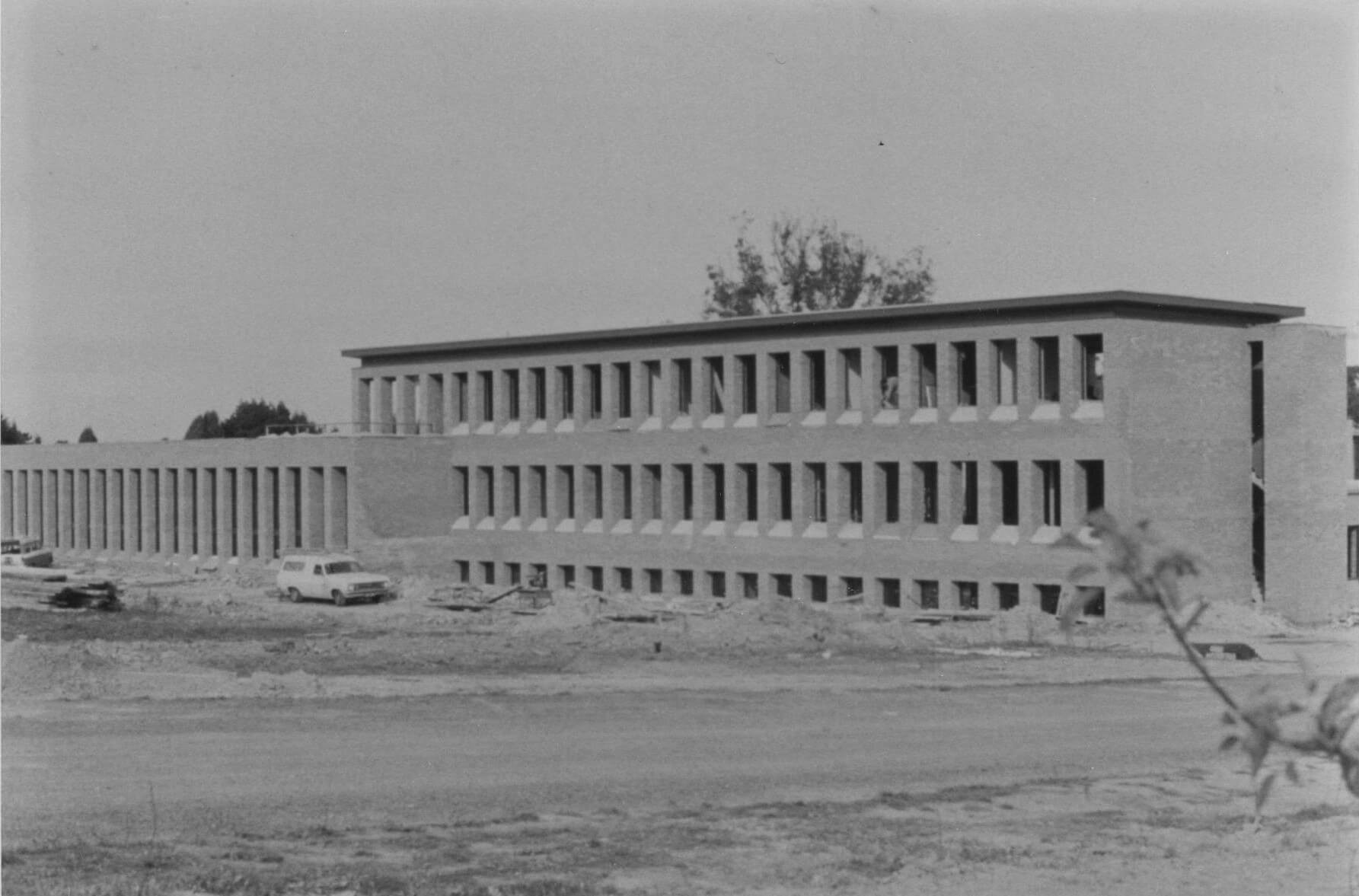
By the mid-1960s the Australian Road Research Board needed a purpose-built headquarters, and acquired a 6.5-hectare former apple orchard on Burwood Highway, Vermont South. Melbourne was chosen partly to avoid any perception of competing with the road research institute at the University of New South Wales. The complex, later named the Australian Road Research Centre, was designed by Mockridge, Stahle & Mitchell in a quiet, restrained modernism: low, block-like forms scaled to the routines of a working research campus, set into open, sloping grounds.
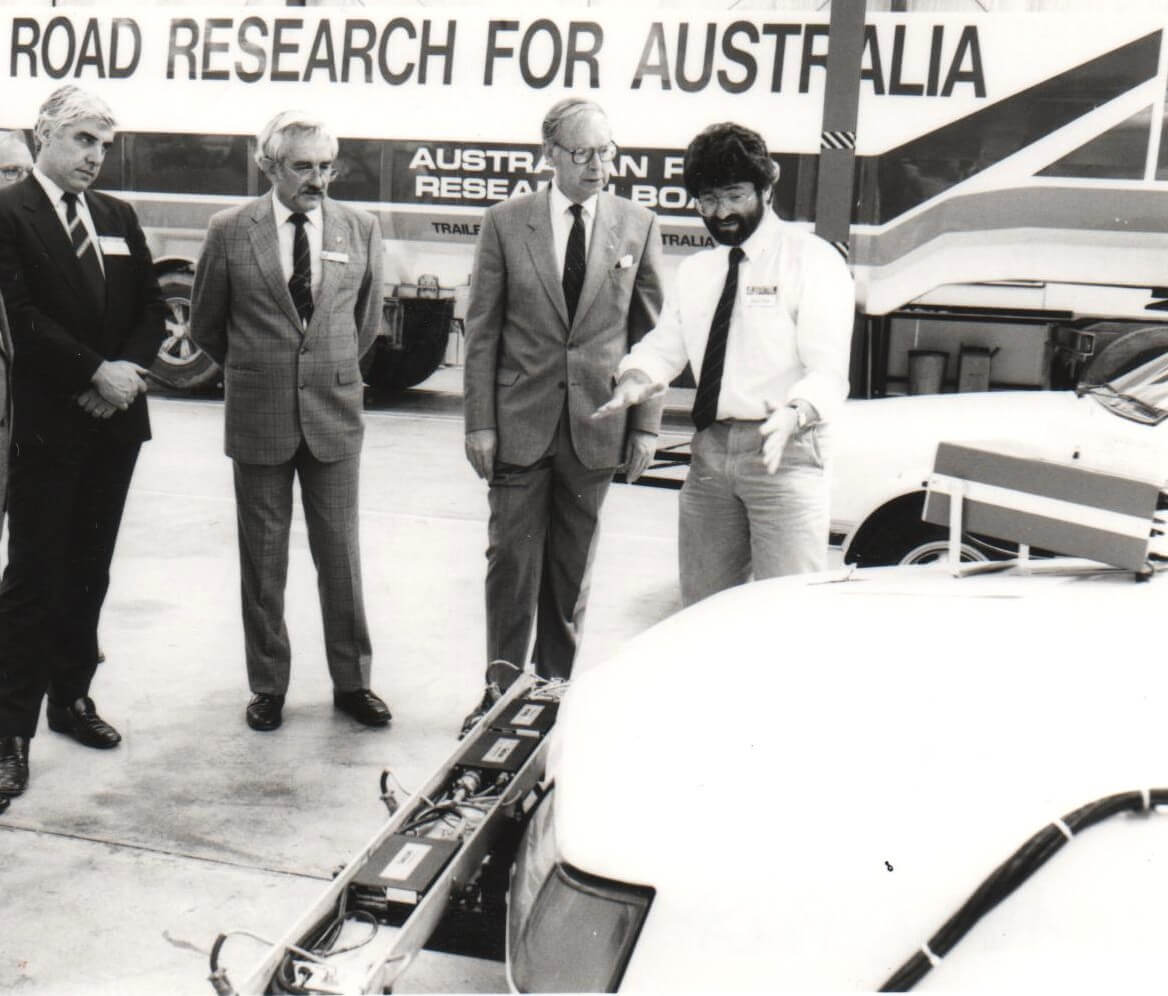
The idea of a national road research body circulated for decades before it took form. As early as 1924, William Calder of Victoria’s Country Roads Board urged a coordinated, scientific approach to road building. In 1948 the Board’s chief engineer, Caleb Grafton Roberts, returned from an overseas study tour convinced Australia was falling behind countries with central testing laboratories, and recommended a permanent national body. ARRB was established in 1960 and became the country’s first national road research system, testing materials and guiding technical standards for uniquely Australian conditions.
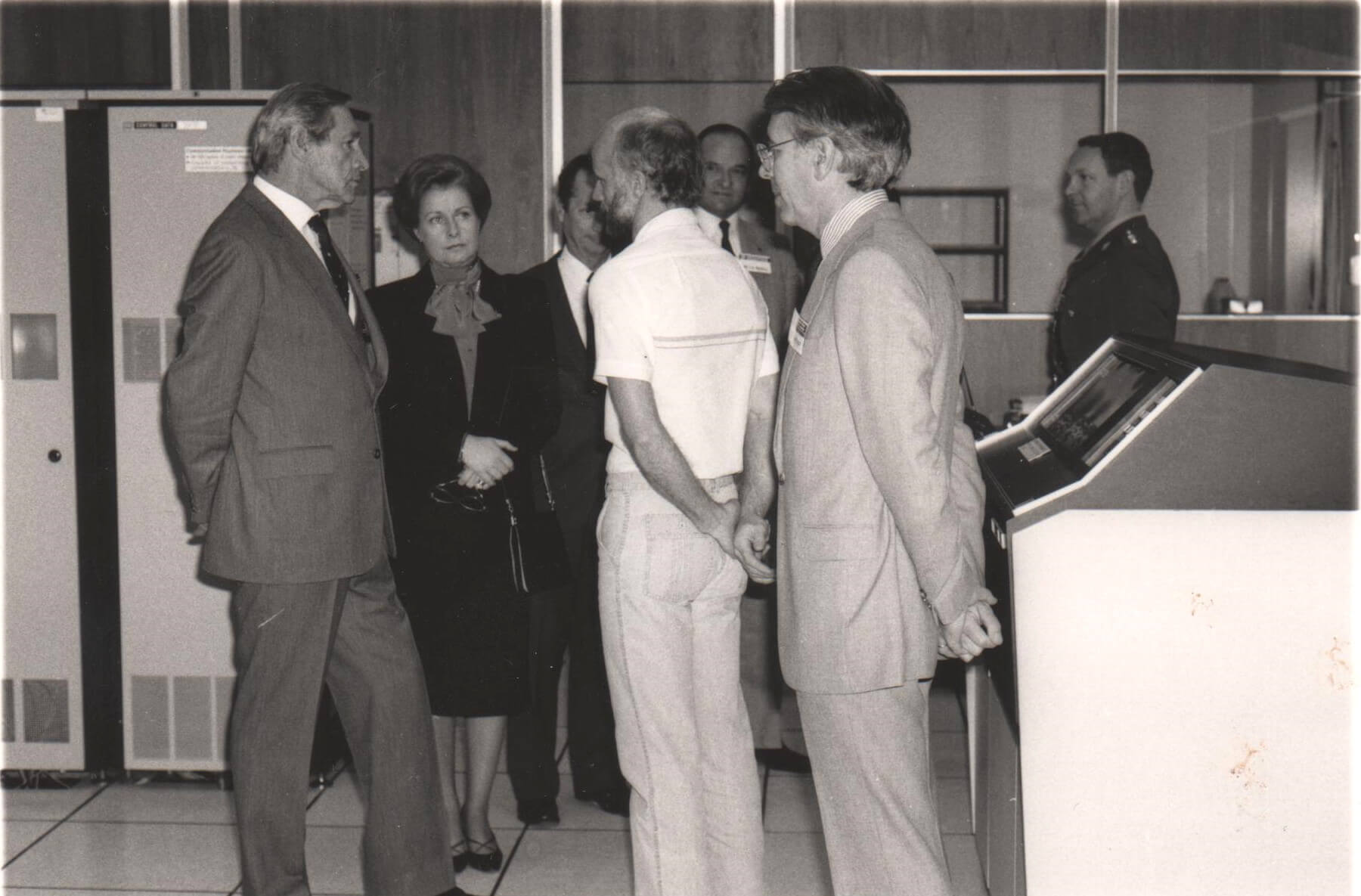
Sir Brian Murray is shown through ARRB’s computer centre at its opening. The Board was set up to replace the fragmented research efforts of individual states, and its mandate was broad: coordinate research, share knowledge widely, and tackle problems unique to Australia, from durable pavements for a hot, dry continent to the safety of suburban streets. Its early leadership in traffic management and road safety challenged accepted wisdom and introduced evidence-based approaches that saved lives.
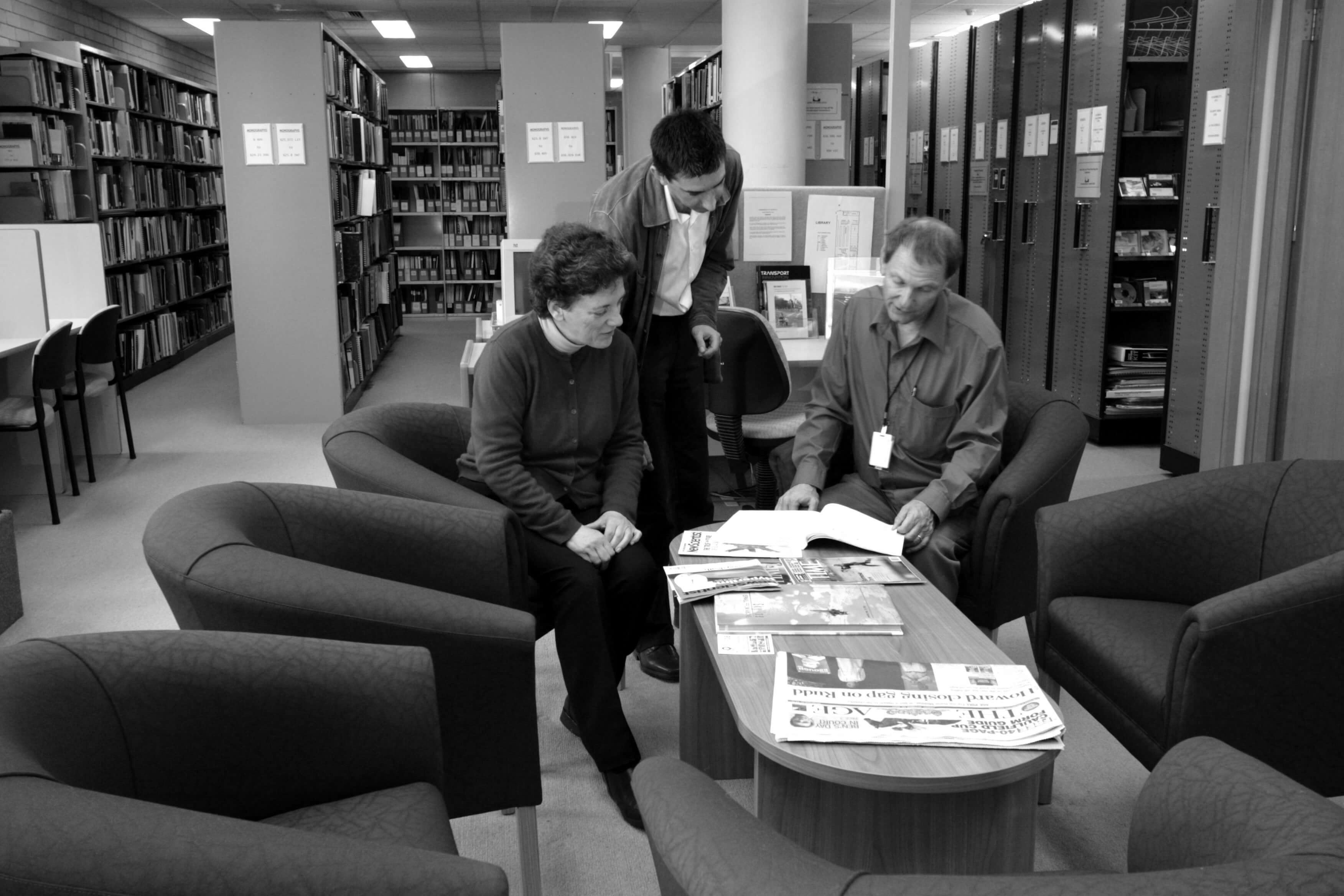
Sharing knowledge was as central to ARRB’s work as producing it. Through its library, training, conferences and national research networks, the Board built Australia’s long-term transport expertise. Its reconceptualisation of residential streets as places rather than traffic corridors helped reshape suburban planning, influencing everyday life in ways most residents never saw. Across the decades it earned a reputation for independence, technical rigour and public purpose.

Bound volumes of Road Abstracts record decades of accumulated research. That legacy of purposeful progress, practical, collaborative and attuned to Australian conditions, became the first of the interpretive themes developed for VerSo Place: a reminder that innovation is most meaningful when it enhances community wellbeing and people’s experience of place. The themes were mapped to specific uses, from campaign messaging and brand storytelling to resident communications.
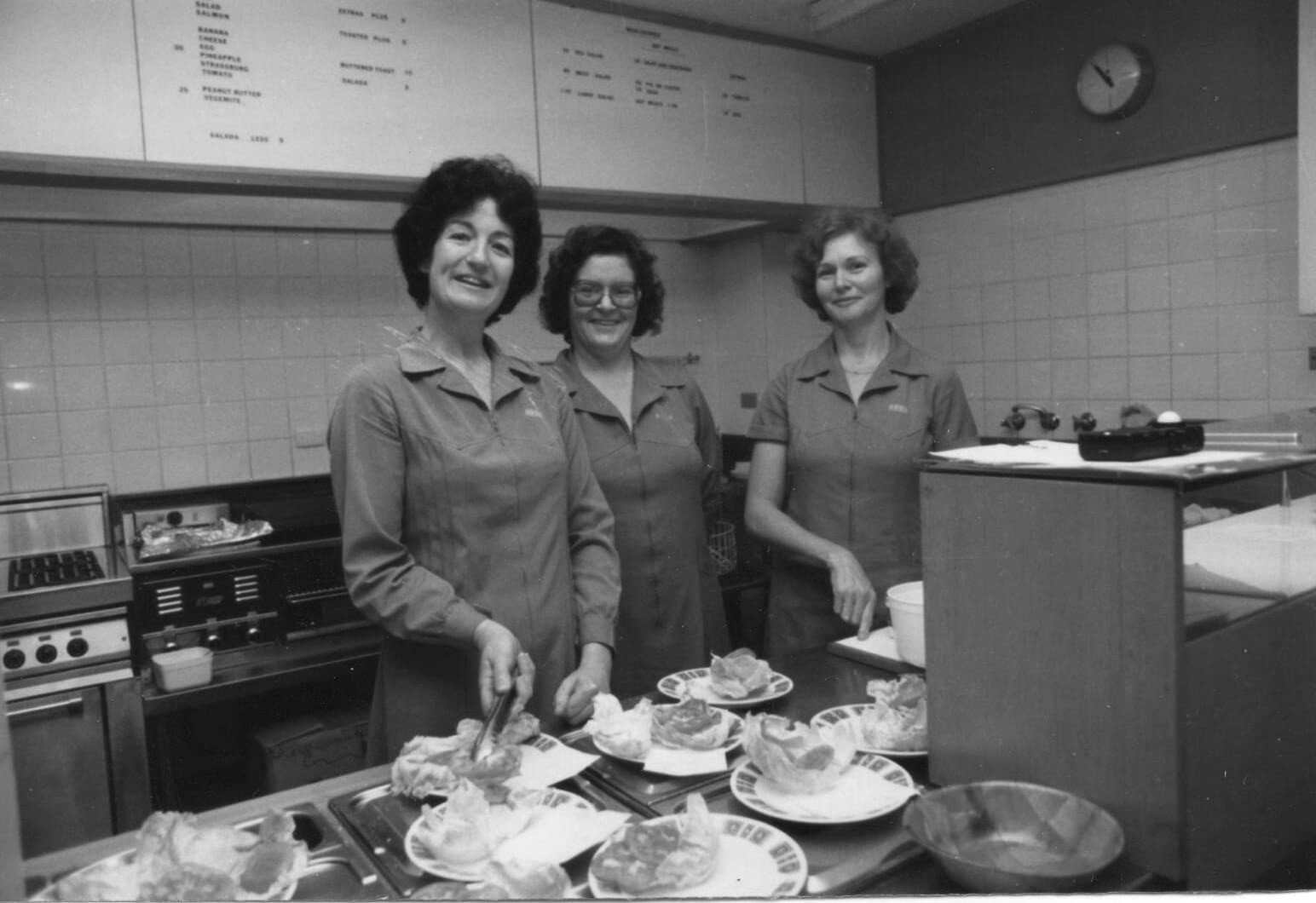
A research campus was also a workplace with its own daily rhythms and its own community, from the laboratories to the canteen, pictured here around 1980. Mockridge, Stahle & Mitchell designed the centre for that working life: modest in form, careful in its modulation of light, and scaled to the people inside it. The partners believed that even utilitarian buildings should embody calm, order and dignity, a sensibility that carries directly into a community designed around comfort and familiarity.
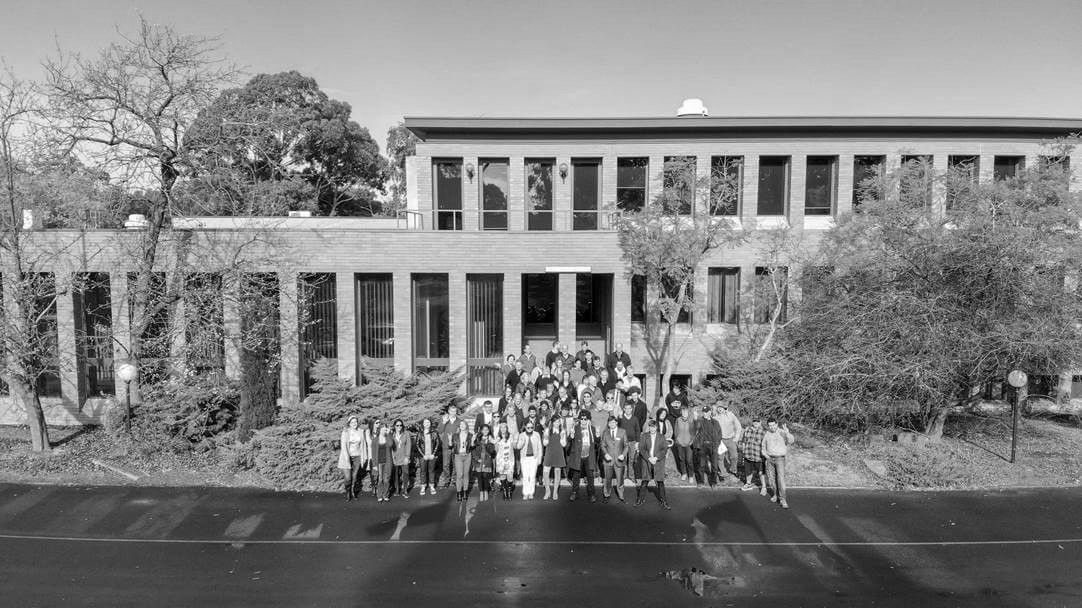
Landscape architect Beryl Mann, an associate of Mockridge, Stahle & Mitchell and a founding member of the Australian Institute of Landscape Architects, kept the large remnant eucalypts, planted dense lines of native trees along the boundaries, and personally supervised the regrading of the slope. ARRB left Vermont South in 2017, and today operates as the National Transport Research Organisation. The landmark administration building and its landscape remain, carrying the site’s long public character into its next chapter as VerSo Place.
Next project
Peatt Boot Factory
Former Peatt Boot Factory, Collingwood